

Hire Kenya's Best Freelancers with Confidence
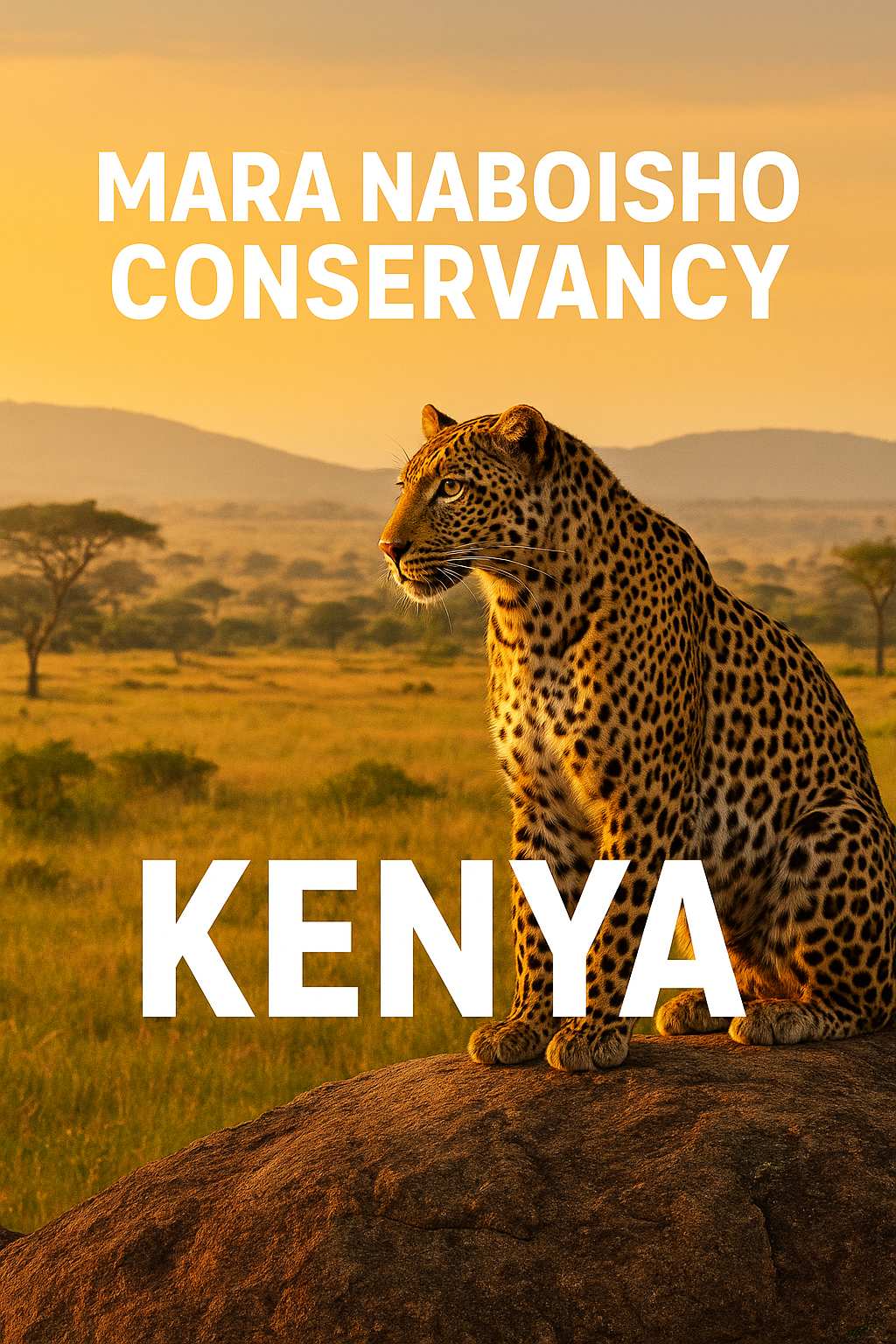
Mara Naboisho Conservancy
Wildlife
Mara Naboisho is a predator haven. Seeing lions and cheetahs here is almost guaranteed, thanks to healthy populations that thrive in the conservancy’s protected habitats. You’ll also encounter elephants, buffaloes, giraffes, zebras, and numerous plains game species.
One of the biggest advantages of visiting Mara Naboisho is its strict limit of only four vehicles per wildlife sighting. This ensures an intimate experience and protects the animals from stress. Even if you have to wait briefly for your turn, you’ll always get that coveted front-row view.
Scenery
Mara Naboisho captures the best of the Masai Mara in a concentrated, pristine setting. Its landscapes feature classic East African savannahs, scattered woodlands, meandering river valleys, low rocky escarpments, and rolling hills on the horizon.
Even without the wildlife, this is the kind of scenery that keeps travelers returning to Kenya year after year.
Activities
Your safari experience in Mara Naboisho revolves around professionally guided adventures led by local experts:
- Guided game drives (morning and afternoon)
- Night game drives to spot nocturnal wildlife
- Walking safaris, offering an immersive connection with nature
- Visits to local communities and conservation initiatives
Self-drive safaris are not allowed, ensuring the ecosystem remains well protected and your experience remains seamless.
Weather & Climate
Thanks to its higher altitude, Mara Naboisho enjoys a cooler climate than regions closer to the equator.
- Daytime: mid to high 70s to low 80s °F (mid to high 20s °C)
- Night: significantly cooler, perfect for campfire evenings
The mix of sunshine, occasional showers, and fresh breezes creates ideal safari conditions throughout most of the year.
Best Time to Visit Mara Naboisho Conservancy
The Dry Season (June to October) is the peak safari period, when animals gather around water sources and sightings are at their best.
Other seasonal highlights include:
- January–February: A dry spell with great wildlife viewing, though it can be busy.
- November–December: Short rains with lush landscapes and excellent birdlife.
- March–April (sometimes May): Long rains, perfect for those who prefer fewer crowds and dramatic green scenery.
- November–April: Peak season for migratory birds.
How to Get to Mara Naboisho Conservancy
Most visitors arrive by air, flying directly to one of the airstrips in Mara Naboisho or nearby Mara North Conservancy.
In May 2025, President William Ruto announced the development of a new international airport in Narok, set to open in March 2026, which will make access to the Masai Mara even more convenient.
Current flight options include departures from:
- Nairobi’s Wilson Airport (WIL)
- Mombasa
- Diani Beach
- Samburu
- Migori
- Loisaba
- Lewa Downs
- Nanyuki
- Meru
Carriers such as AirKenya and Safarilink operate regular flights. Most safari accommodations and operators within the conservancy can assist with booking and transfers.
Traveling by road from Nairobi is also possible. The distance is roughly 230 km (145 miles), and depending on road conditions in western Kenya, the drive typically takes around 5 hours.
Bookings & Inquiries:
Visit our Contact Us page or email us directly at rna@raynessanalytica.com.
FAQs
Frequently asked questions about Mara Naboisho Conservancy
What makes Mara Naboisho a unique wildlife viewing destination?
Mara Naboisho is a predator haven with healthy populations of lions, cheetahs, elephants, buffaloes, giraffes, zebras, and other plains game, offering exceptional wildlife encounters.
How does Mara Naboisho ensure an exclusive and stress-free wildlife experience?
The conservancy limits each wildlife sighting to four vehicles, providing an intimate experience and reducing stress on the animals.
What are the main activities available during a safari in Mara Naboisho?
Safari activities include guided game drives, night game drives, walking safaris, and visits to local communities and conservation projects, all led by expert guides.
What is the best time of year to visit Mara Naboisho?
The dry season from June to October is ideal for wildlife sightings, although January to February, November to December, and March to April also have unique advantages.
How can visitors reach Mara Naboisho Conservancy?
Most visitors fly into nearby airstrips from Nairobi, Mombasa, or other locations, with a new international airport in Narok opening in 2026, or they can drive approximately 5 hours from Nairobi.
Need Additional Services?
- Legal Services in Kenya: Connect with top-rated Kenyan attorneys.
- Freelance Services: Find world-class freelancers for any project—fully remote, fully verified.



Reviews
There are no reviews yet.