

Hire Kenya's Best Freelancers with Confidence
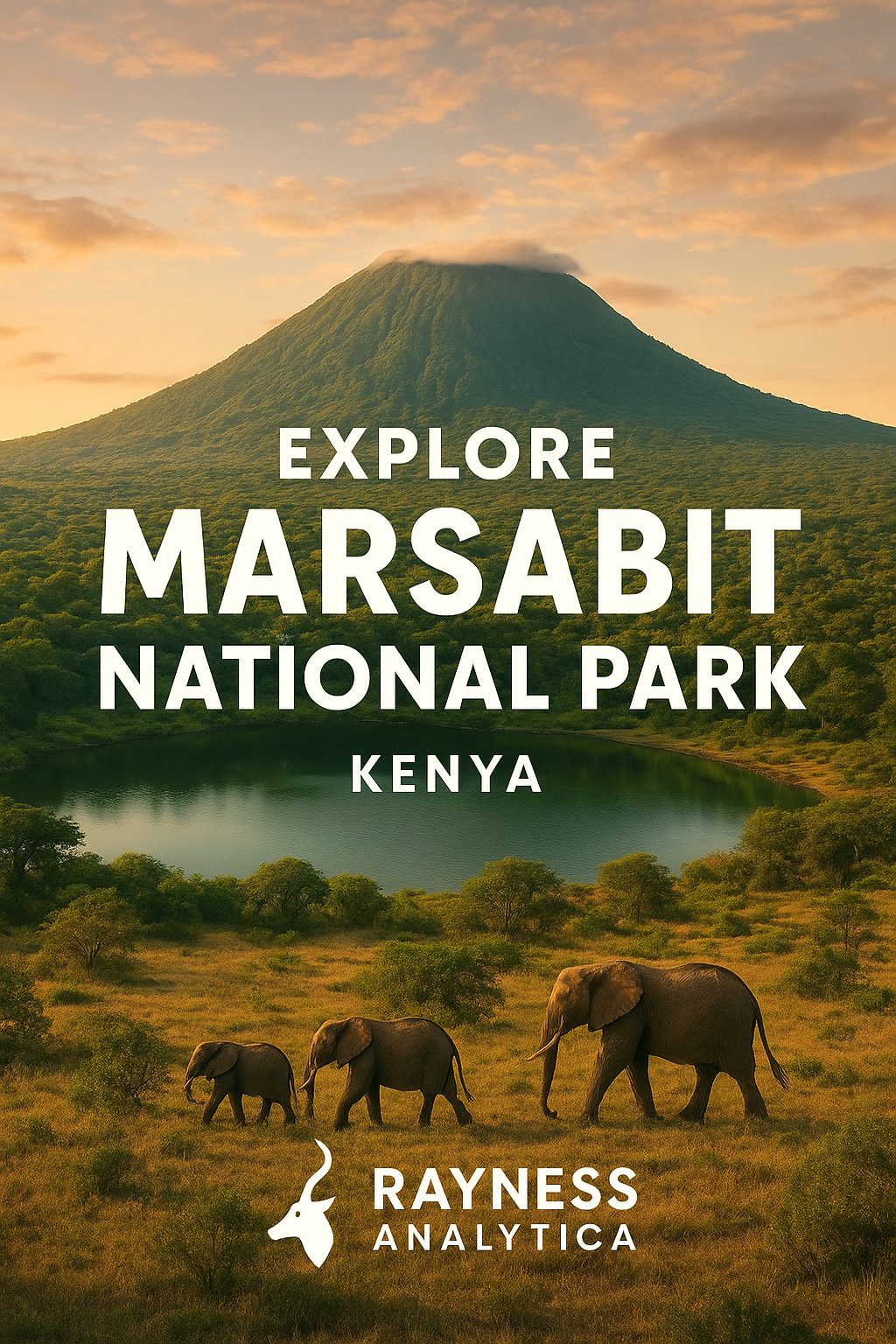
Marsabit National Park
Explore Marsabit National Park with Rayness Analytica — Northern Kenya’s Hidden Wilderness
Marsabit National Park, located in northern Kenya, is a remote and breathtaking destination perfect for travelers who crave authentic adventure. This dramatic landscape rises from the arid plains, crowned by the towering Mt. Marsabit—an ancient shield volcano wrapped in dense, misty forest. Its lush slopes create a striking contrast to the surrounding dry country and offer an unforgettable safari experience.
Right beside Marsabit town, the park shelters two stunning crater lakes surrounded by thick forest, attracting herds of elephants and buffalo throughout the year. With Rayness Analytica, you can explore this incredible region through curated safari experiences built to match your travel style.
Wildlife Highlights
While wildlife viewing here is more intimate and unpredictable due to the dense forest, the rewards are exceptional. Elephants and buffalo frequently gather at the crater lakes, offering dramatic sightings—especially in the late afternoon.
Look out for:
- Olive baboons swinging through the canopy
- Bushbucks and the elegant greater kudu browsing in the forest
- Reticulated giraffes, Grevy’s zebras, and dry-country antelope roaming the southern plains
- Occasional sightings of leopards, cheetahs, and even lion
Marsabit’s blend of forest and semi-arid habitats makes every game drive feel like an exploration.
Unmatched Scenery
Mt. Marsabit stands as a magnificent reminder of Kenya’s volcanic past. The mountain is dotted with volcanic craters, locally known as gofs, a Borana word describing these massive formations.
Key scenic highlights include:
- Gof Sokorte Dika – a forested crater that shelters wildlife and offers incredible photographic opportunities
- Gof Sokorte Guda (Lake Paradise) – a legendary crater lake famed for its beauty and wildlife
- Gof Bongole – a larger crater on the southern footslopes that occasionally fills with water
These dramatic landscapes are a dream for nature lovers, landscape photographers, and off-the-beaten-path safari enthusiasts.
Things to Do
With Rayness Analytica, you get access to well-planned activities that highlight Marsabit’s unique terrain and wildlife:
Game Drives
The best time for game drives is late afternoon, when elephants and buffalo often head to the lakes to drink. This is prime viewing for unforgettable photos and wildlife encounters.
Guided Nature Walks
Though unguided walking is not allowed, armed rangers can lead guided walks around the crater lakes—an excellent way to learn about the ecosystem and explore the forest up close.
4x4 Adventure Trails
For travelers seeking rugged experiences, a rough 4x4 track leads from Lake Paradise into the drier terrains around Gof Bongole.
Cultural Experiences
Visit the small cultural museum at the park entrance to learn about the local Borana community and the region’s cultural heritage.
Weather & Climate
Because of its varied altitude, Marsabit National Park experiences a mix of cooler highland temperatures and hot lowland conditions.
- Days are generally hot year-round
- Nights cool down pleasantly
- Dry Season (June–September) offers clear skies and easier wildlife viewing
- Wet Season (October–May) can be hotter, with dense vegetation that sometimes hides wildlife
This diversity makes Marsabit one of Kenya’s most surprising and intriguing parks.
Best Time to Visit Marsabit National Park
For the best wildlife sightings, plan your safari during the drier months:
- June to September
- January to February
During these months, wildlife gathers around the crater lakes, making game drives highly rewarding.
If your passion is birdwatching, the wet months (October–December and March–May) bring migratory species and vibrant greenery, though general wildlife viewing becomes more challenging.
Book Your Marsabit Safari with Rayness Analytica
Rayness Analytica is committed to offering exceptional safari experiences across Kenya, and Marsabit National Park is one of the region’s most underrated treasures. Whether you're seeking rugged landscapes, crater-lake wildlife, or one-of-a-kind photography moments, this remote park promises adventure in its purest form.
Start your Marsabit journey today with Rayness Analytica — where unforgettable Kenyan safaris begin.
Bookings & Inquiries:
Visit our Contact Us page or email us directly at rna@raynessanalytica.com.
FAQs
Frequently asked questions about Marsabit National Park
What makes Marsabit National Park a unique destination for travelers?
Marsabit National Park offers a dramatic landscape with lush forested slopes of an ancient volcano, crater lakes, and diverse wildlife, providing an authentic and adventurous safari experience in Northern Kenya.
Which wildlife species can visitors expect to see in Marsabit National Park?
Visitors can see elephants, buffalo, olive baboons, bushbucks, greater kudu, reticulated giraffes, Grevy’s zebras, dry-country antelopes, and occasionally leopards, cheetahs, and lions, especially around the crater lakes.
What are the key scenic features of Mt. Marsabit and its surrounding landscapes?
Key scenic features include volcanic craters known as gofs, Gof Sokorte Dika, Gof Sokorte Guda (Lake Paradise), and Gof Bongole, each offering stunning views and opportunities for wildlife viewing and photography.
What activities are available for visitors to explore Marsabit National Park?
Activities include game drives, guided nature walks around crater lakes, 4x4 adventure trails into dry terrains, and cultural visits to learn about the Borana community.
When is the best time to visit Marsabit National Park for optimal wildlife viewing?
The best time to visit for wildlife sightings is during the dry seasons from June to September and January to February, when animals gather at the crater lakes, enhancing game drive experiences.
Need Additional Services?
- Legal Services in Kenya: Connect with top-rated Kenyan attorneys.
- Freelance Services: Find world-class freelancers for any project—fully remote, fully verified.


Reviews
There are no reviews yet.