

Hire Kenya's Best Freelancers with Confidence
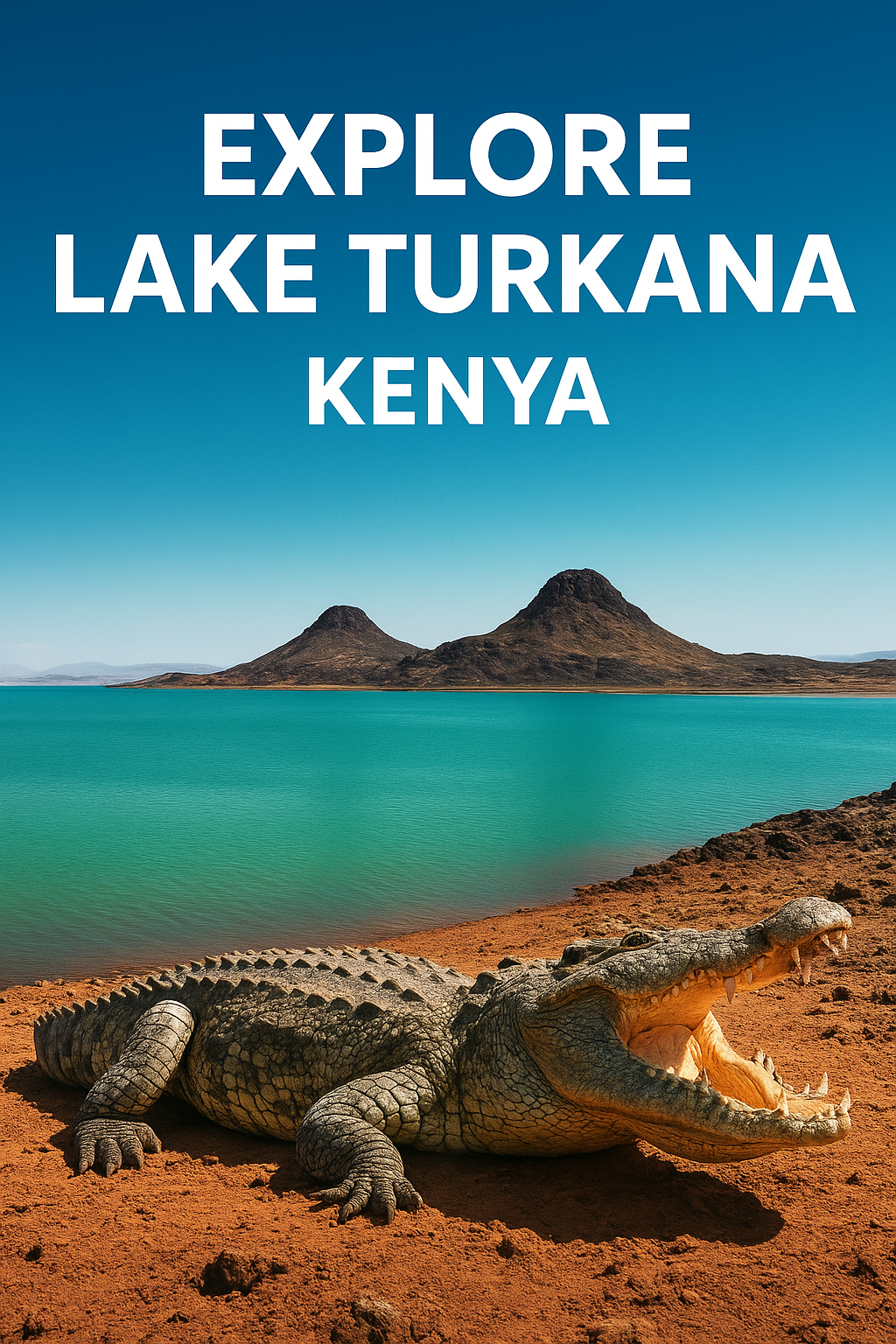
Lake Turkana
Explore Lake Turkana: Kenya’s Remote Jade Sea
Lake Turkana, a UNESCO World Heritage Site, is the world’s largest alkaline lake and the biggest lake located in a desert. Its dramatic, otherworldly landscapes make it one of Kenya’s most unique destinations. The lake’s three islands serve as essential stopovers for migratory birds and breeding grounds for crocodiles and hippos. Visitors are drawn to this remarkable region for its scenery, birdwatching, and cultural experiences. While big mammals can be found in Sibiloi National Park along the lake’s shores, Lake Turkana is not a traditional safari destination.
Wildlife Highlights
While Lake Turkana isn’t known as a classic wildlife hotspot, it’s famous for its large crocodile population and vibrant bird colonies. Central Island is home to up to 120,000 Nile crocodiles, which can be viewed on guided boat trips.
Sibiloi National Park, on the lake’s shores, protects some of northern Kenya’s most unique wildlife, including:
- Reticulated giraffe
- Beisa oryx
- Lesser kudu
- Gerenuk
- Grevy’s zebra
Predators like lions, leopards, and cheetahs are present but are rarely seen, adding to the lake’s sense of wild, untouched beauty.
Stunning Scenery
Lake Turkana is framed by volcanic rock formations and windswept deserts, creating a stark, breathtaking landscape. Vegetation is sparse and resilient, adapting to the region’s extreme dryness. The lake is often called the “Jade Sea” due to its striking turquoise waters, which fluctuate dramatically in depth. Thousands of years ago, Lake Turkana’s water level was over 100 meters (330 feet) higher than today, leaving behind fascinating geological features.
Weather & Climate
Located in northern Kenya, Lake Turkana is the hottest and driest part of the country. Expect:
- Daytime temperatures: Average 34°C (93°F)
- Annual rainfall: Less than 300mm (12in), with short rains peaking in November and long rains in April
Best Time to Visit
Lake Turkana has a desert climate and can be visited year-round. The landscape is most striking after the rains in April and November, when the surrounding desert blooms and the lake’s waters shimmer brilliantly.
Travel tip: Avoid traveling by road from Nairobi during the rainy months, as some tracks may become difficult to navigate.
How to Get to Lake Turkana
Lake Turkana lies 665 km (414 mi) north of Nairobi. Access points include:
- Loiyangalani on the southeastern shore: reachable by charter flights or organized truck tours
- Sibiloi National Park: also accessible by charter flight
Travelers can explore either the east or west shores of the lake. While there is no road connecting both sides, lake crossings can be arranged for an additional cost. Some routes are now partially tarred, making the lake more accessible than ever.
For adventurous travelers, an independent 4x4 journey is possible, ideally in a convoy of at least two vehicles, crossing the Chalbi or Karoli Desert along the way.
Discover Lake Turkana with Rayness Analytica: From birdwatching to cultural encounters and desert landscapes, this hidden gem in northern Kenya offers an unforgettable adventure off the beaten path.
Bookings & Inquiries:
Visit our Contact Us page or email us directly at rna@raynessanalytica.com.
FAQs
Frequently asked questions about Lake Turkana
What makes Lake Turkana a unique destination in Kenya?
Lake Turkana is unique as the world’s largest alkaline lake and the biggest lake in a desert, with dramatic landscapes, important bird colonies, and abundant wildlife, including large crocodile populations and rare species.
What wildlife can visitors expect to see around Lake Turkana?
Visitors can see Nile crocodiles, especially on Central Island, and wildlife like reticulated giraffes, Beisa oryx, lesser kudus, Gerenuks, and Grevy’s zebras in Sibiloi National Park. Predators such as lions, leopards, and cheetahs are also present but rarely observed.
What are the most scenic features of Lake Turkana?
The lake is surrounded by volcanic rock formations and windswept deserts, creating a stark landscape. Its turquoise waters, known as the 'Jade Sea,' are striking, and the geological features reflect its ancient water levels over 100 meters higher than today.
When is the best time to visit Lake Turkana?
The best time to visit is after the rains in April and November, when the desert blooms and the lake’s waters shimmer, although it can be visited year-round given its desert climate.
How can travelers access Lake Turkana and explore its surroundings?
Access is via charter flights or organized truck tours to Loiyangalani or Sibiloi National Park, with the possibility of lake crossings. Independent 4x4 journeys are also possible through desert routes, preferably in convoy.
Need Additional Services?
- Legal Services in Kenya: Connect with top-rated Kenyan attorneys.
- Freelance Services: Find world-class freelancers for any project—fully remote, fully verified.



Reviews
There are no reviews yet.